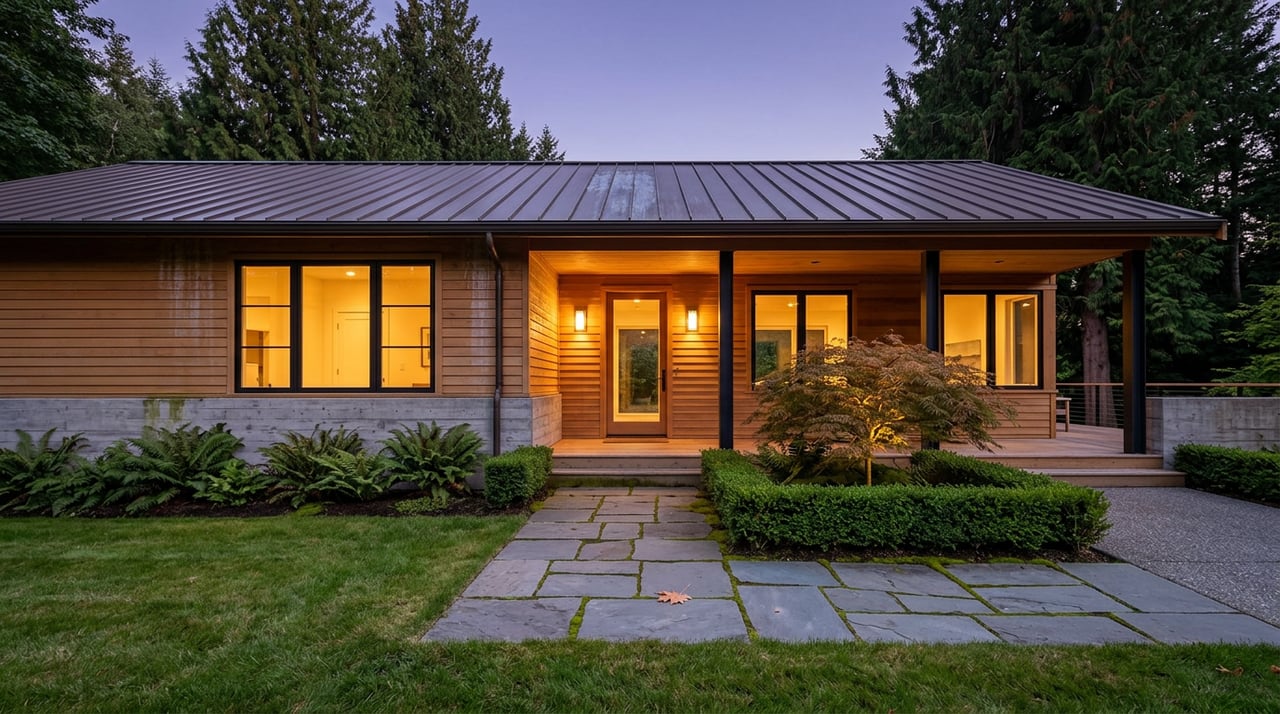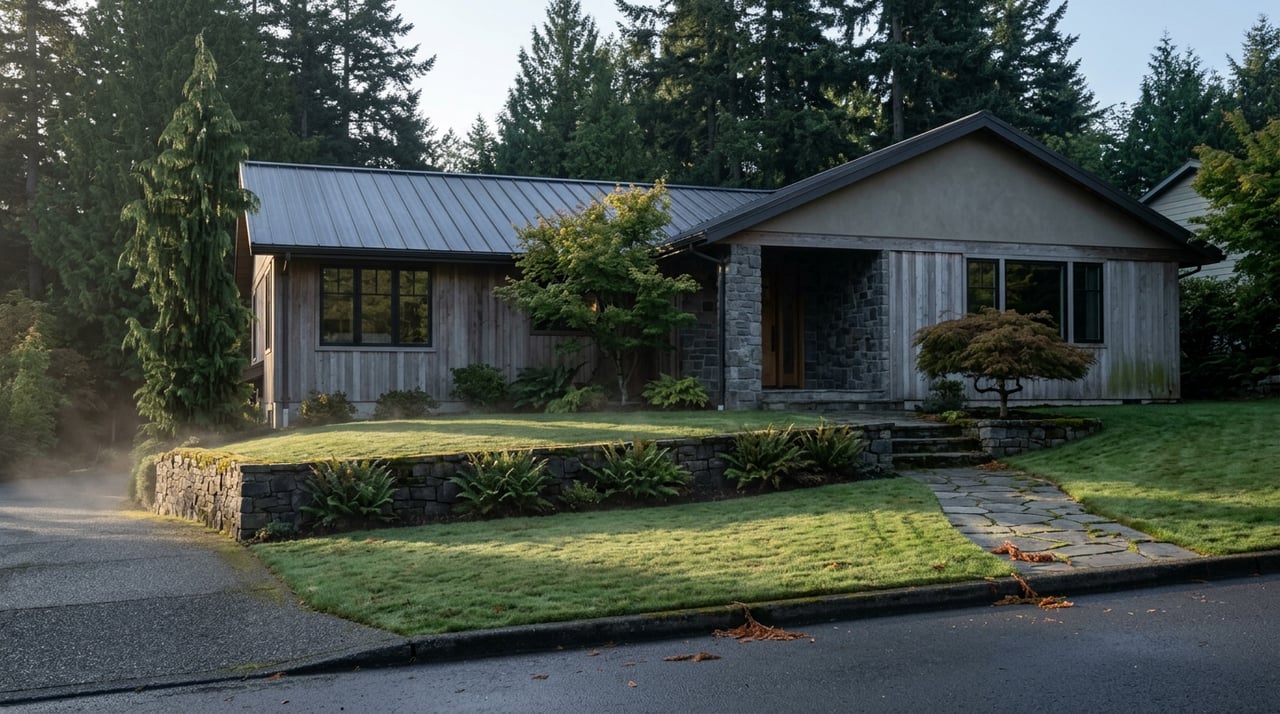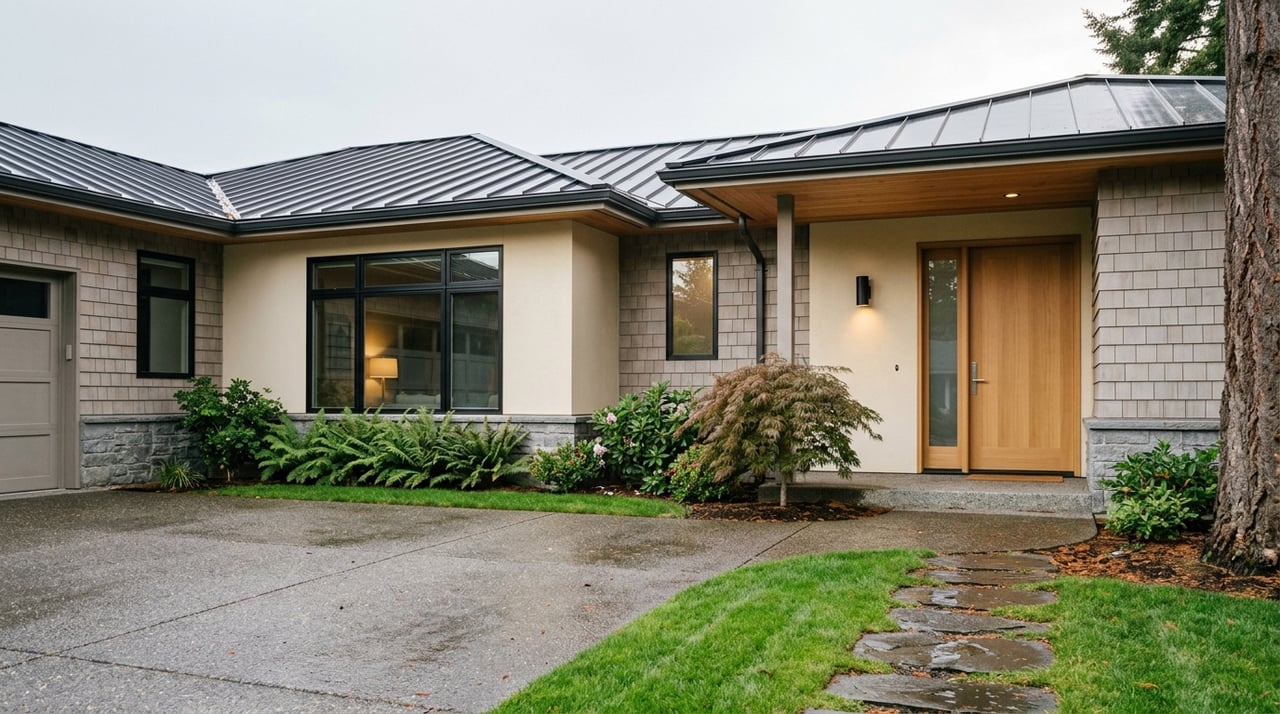
Thinking about leaving Seattle for a slower, more scenic daily rhythm? If Gig Harbor has been showing up on your radar, you are not alone. For many Seattle-area buyers, the appeal is not just about a change of address. It is about choosing a different pace, different surroundings, and a different kind of home base. This guide will help you compare what life in Gig Harbor may actually feel like, what the housing market looks like, and what tradeoffs to weigh before you make the move. Let’s dive in.
Seattle vs. Gig Harbor Lifestyle
A move from Seattle to Gig Harbor is usually more about lifestyle than price. Seattle had an estimated 780,995 residents in 2024, while Gig Harbor had about 12,643, according to the U.S. Census Bureau. Population density also looks very different, with Seattle at 8,791.8 people per square mile and Gig Harbor at 2,038.1.
Those numbers help explain the day-to-day contrast. Seattle is built around a broad network of neighborhoods, urban centers, and villages, as outlined by the City of Seattle’s planning framework. Gig Harbor, by comparison, presents itself as Washington’s Maritime Village, with a waterfront identity shaped by marinas, historic areas, and public gathering spaces along the harbor.
If you are craving less density, more breathing room, and a more residential feel, Gig Harbor may align with that goal. Census data also shows a higher owner-occupied housing rate in Gig Harbor, 62.2% compared with 43.7% in Seattle, which supports its more settled, residential character.
What Daily Life Feels Like
In practical terms, Gig Harbor often feels quieter and more tied to the waterfront. The city highlights places like Skansie Brothers Park and Old Ferry Landing as central public spaces with scenic views and maritime history. That can shape your weekends, your routines, and even how you think about being outdoors.
Seattle offers more of an urban rhythm. You may be used to having more frequent transit, a broader range of housing types, and easier access to different commercial districts without crossing a bridge. If that convenience is central to your lifestyle, it is worth being honest about how much you want to trade for scenery and a smaller-town setting.
Housing Costs Are Closer Than You Might Expect
One of the biggest surprises for Seattle buyers is that Gig Harbor is not necessarily a dramatic discount. Based on Zillow’s current home value index, Seattle’s typical home value was $868,680 and Gig Harbor’s was $820,740 as of March 31, 2026, according to Zillow home value data. That is a gap, but it is a modest one.
So if you are considering this move primarily to save a large amount on housing, the numbers may not support that expectation. In many cases, this is better viewed as a values-based move. You may be choosing a different setting, a different home style, or a different long-term lifestyle rather than a major affordability reset.
Housing Style and Inventory Differences
The housing mix also matters. Gig Harbor’s planning documents indicate that many areas still lean heavily toward single-family neighborhoods, even as the city supports a mix of attached and detached housing in some areas, based on the Gig Harbor Comprehensive Plan.
Seattle is moving in a different direction. Its 2026 housing policy points toward more middle housing across neighborhoods, including townhomes, duplexes, cottage housing, and stacked flats, as described in the city’s Centers and Corridors zoning proposal.
That means your options may feel more urban and flexible in Seattle, while Gig Harbor may be a stronger fit if you are looking for a home environment that skews more detached and residential. If you want a condo-heavy or townhouse-heavy search, Seattle may still offer more variety.
Commute Realities Matter
Before you fall in love with the view, look closely at the commute. Gig Harbor sits on the peninsula, and the city notes that two 1-mile suspension toll bridges connect it to Tacoma on the City of Gig Harbor website. For a standard two-axle vehicle, current tolls toward Tacoma are $4.50 with Good To Go!, $5.50 at the toll booth, or $6.50 by mail.
If you need to be in Seattle or Bellevue regularly, that bridge-based travel should be part of your planning. This is not just about drive time. It is about consistency, cost, and whether that rhythm works for your work and family life.
Census data adds another useful benchmark. Gig Harbor’s mean travel time to work is 32.3 minutes, compared with 26.0 minutes in Seattle, according to the U.S. Census Bureau. That does not measure a specific Seattle commute, but it does reinforce that Gig Harbor is not automatically the easier commute option.
Transit Options Are More Limited
Transit exists, but it is more targeted than what many Seattle residents are used to. Sound Transit Route 595 connects Gig Harbor and Seattle on weekdays, but service is limited to commute-focused windows rather than frequent all-day availability.
Pierce Transit also provides service within the area, including Route 100 between Gig Harbor destinations and Tacoma Community College Transit Center, and Runner service in Gig Harbor from 7 a.m. to 10 p.m. That can be helpful, but it is a different transit experience from Seattle’s broader urban network.
If you rely on transit flexibility, this is one of the most important differences to think through before you move.
Questions to Ask Before Moving
The best Seattle-to-Gig Harbor move is an informed one. Before you start touring homes, ask yourself a few practical questions.
- How often will you realistically need to be in Seattle or Bellevue?
- Are you comfortable budgeting for bridge tolls and longer regional travel?
- Do you want a more residential, single-family-oriented setting?
- Are you expecting major savings, or are you really seeking a lifestyle change?
- How much do waterfront access, parks, and a historic downtown matter in your daily life?
These answers can shape not just where you buy, but whether Gig Harbor is the right fit at all.
Who Gig Harbor Fits Best
Gig Harbor tends to appeal most to buyers who want a smaller-scale environment with strong waterfront character and a quieter residential feel. If your ideal day includes scenic surroundings, more space, and a sense of separation from the intensity of a major city, Gig Harbor may feel like a meaningful upgrade in lifestyle.
Seattle may remain the better fit if you value dense housing choices, more robust transit, and an urban routine with easier access to multiple commercial districts. Neither choice is universally better. It comes down to how you want to live.
How to Make the Right Decision
A smart move is not about chasing a trend. It is about matching your next home to your actual lifestyle, commute needs, and long-term goals. When you compare Seattle and Gig Harbor honestly, you can make a decision that feels clear and sustainable, not rushed.
If you are weighing a move from Seattle to Gig Harbor, working with a local advisor who understands both the appeal and the practical realities can make the process much smoother. If you would like thoughtful guidance on neighborhoods, pricing, lifestyle fit, or available homes, connect with Julia Runyan for a personalized conversation.
FAQs
Is Gig Harbor cheaper than Seattle for homebuyers?
- Not by a wide margin based on current typical home values. Zillow’s March 31, 2026 data shows Seattle at $868,680 and Gig Harbor at $820,740.
Is Gig Harbor a good option for Seattle commuters?
- It can work for some buyers, but you should plan carefully for bridge tolls, regional travel time, and limited weekday-only express transit service to Seattle.
What kind of housing is more common in Gig Harbor?
- Gig Harbor planning documents show many areas still skew toward single-family neighborhoods, although the city supports a mix of attached and detached housing in some areas.
How is the lifestyle in Gig Harbor different from Seattle?
- Gig Harbor generally offers a smaller, more waterfront-oriented, and more residential setting, while Seattle offers a denser, more urban daily rhythm with broader transit and housing options.
What should Seattle buyers consider before moving to Gig Harbor?
- You should evaluate commute frequency, toll costs, housing preferences, budget expectations, and how much value you place on waterfront access, parks, and a smaller-town environment.