Wondering whether a view home, a marina-area property, or an acreage retreat is the right fit in Gig Harbor? It is a smart question, because these three home styles can feel very different in daily life even when they are only a few miles apart. If you are trying to balance scenery, privacy, boating access, commute time, and long-term upkeep, this guide will help you sort through the tradeoffs with a clear local lens. Let’s dive in.
Why this choice matters in Gig Harbor
In Gig Harbor, your home style is also a lifestyle choice tied to the shoreline, the road network, and whether you are closer to the city core or the rural edges of the peninsula. A bluff-side property, a marina-adjacent home, and an acreage parcel each come with different benefits and responsibilities.
The local shoreline plan makes that especially important here. Gig Harbor’s shoreline supports residential uses alongside marinas, commercial fishing, boatbuilding, recreation, and public access, so location shapes not only the feel of a home but also how the surrounding area functions day to day.
View homes in Gig Harbor
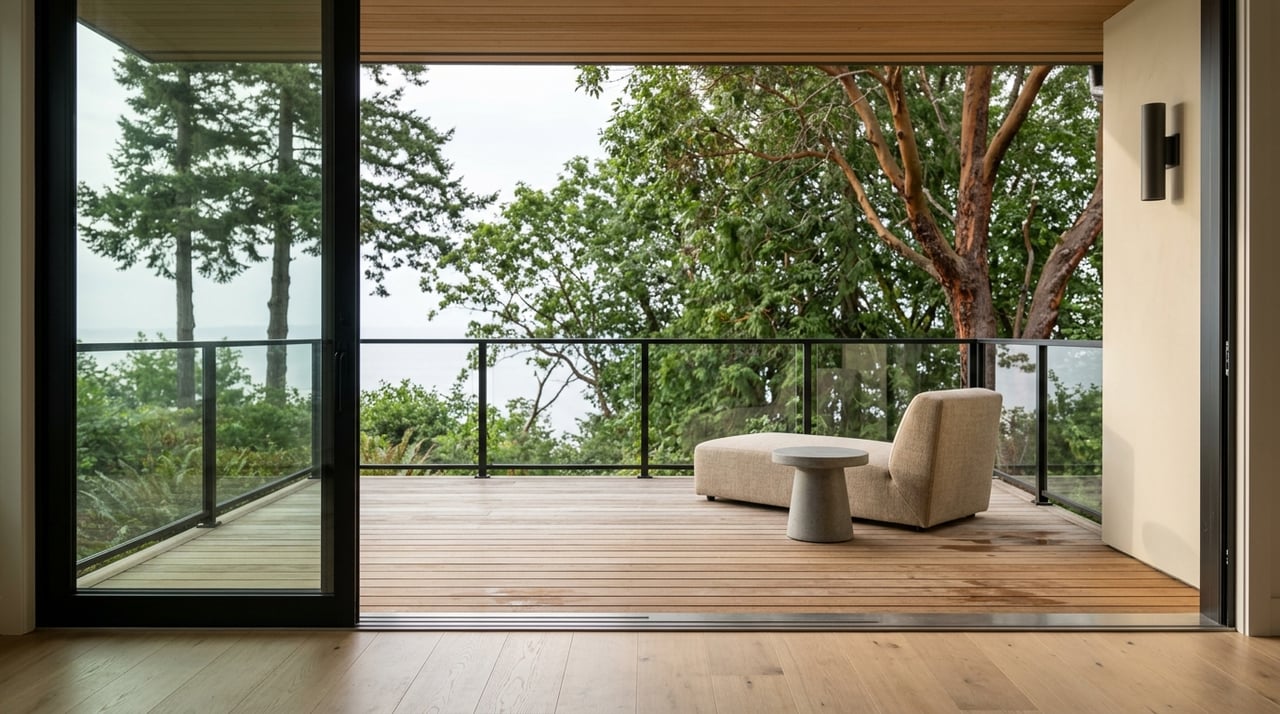
View homes in Gig Harbor are often found on higher-bank or bluff settings where you can enjoy outlooks over the harbor, Puget Sound, or nearby shoreline areas. Local planning documents point to areas like East Gig Harbor, Point Fosdick, Reid Drive, and some upland parts of the peninsula as strong examples of view-oriented locations.
If your priority is scenery and a sense of elevation, a view home may be the natural fit. These properties often offer a stronger feeling of separation from waterfront activity than homes closer to docks and downtown, while still keeping you near the heart of Gig Harbor.
What buyers often love about view homes
Many buyers are drawn to view homes for a few simple reasons:
- Elevated outlooks
- Strong connection to the water without being right on it
- Often easier access to central Gig Harbor and SR 16 than more rural acreage areas
- A quieter feel than busier marina locations
For some buyers, a view home offers the best middle ground. You get the visual appeal of the water and a more tucked-away setting, but you may still stay relatively close to shops, services, and Tacoma access.
What to watch with view properties
A view is never just about what you can see today. In shoreline areas, the city and county emphasize retaining native vegetation and limiting clearing when slope stability and ecological function could be affected.
That means buyers should think carefully about tree management, pruning, and any future plans to open or preserve sightlines. In many cases, selective clearing is encouraged over broad removal because vegetation also helps with slope stability and visual quality.
High-bank and bluff settings can also shift your risk profile. Compared with lower waterfront areas, many upland view lots may have less flood exposure, but they can bring more attention to slopes, drainage, and vegetation management.
Marina-area homes in Gig Harbor
If you picture walking near docks, seeing boats come and go, and living close to downtown waterfront activity, marina-area living may be the right match. In Gig Harbor, the downtown bay area and the city’s waterfront designations are the clearest examples of this lifestyle.
The city’s shoreline planning supports a mix of residential, recreational, and commercial uses in this area. It also preserves the historic working waterfront, which includes commercial fishing and boatbuilding. That mixed-use character gives the area its energy and charm.
Why buyers choose marina living
Marina-adjacent homes usually appeal to buyers who want to be close to the action. Depending on the property, that can mean easier access to docks, boating activity, waterfront businesses, and public shoreline areas.
This style of living often feels social, walkable in the downtown core, and deeply connected to Gig Harbor’s maritime identity. If being near the waterfront scene matters more to you than privacy or land, this option can be especially appealing.
Tradeoffs to consider near the waterfront
The same features that make marina living exciting can also make it busier. Because the shoreline plan supports public access, boating docks, restaurants, retail, and mixed waterfront use, these areas often have more activity than bluff or acreage settings.
You should also look closely at long-term property considerations. The city’s shoreline master program applies to development and use activity within 200 feet of the shoreline, so projects involving tree work, grading, docks, bulkheads, or remodeling may receive more regulatory attention than they would inland.
Climate exposure matters too. Gig Harbor’s 2025 climate vulnerability assessment notes that low-lying downtown areas are more prone to flooding from extreme precipitation and storm surges, and coastal infrastructure can be affected by sea level rise and saltwater intrusion.
Acreage homes in Gig Harbor
If your dream is space, privacy, and room to spread out, acreage living may be the best fit. In the Gig Harbor area, acreage homes are generally more common outside the city limits and urban growth area, including places like Fox Island, Raft Island, Ray Nash Valley, Crescent Valley, Rosedale, Arletta, and parts of Swede Hill.
Pierce County describes these rural areas as primarily low-density single-family housing with vacant land, pasture, and forestland. The county also notes that the average home in the rural area sits on about 1.15 acres, while some areas include much larger parcels.
Why buyers love acreage properties
Acreage homes can offer a very different pace of life. Buyers often choose them for:
- More privacy
- More outdoor space
- Flexibility for landscaping and outbuildings, where allowed
- A more rural setting with wooded or pastoral surroundings
For some households, that sense of breathing room is the biggest luxury of all. Acreage living can be especially attractive if you want distance from downtown activity and value land as much as the house itself.
The extra ownership responsibilities
Acreage living often comes with more hands-on property oversight. In rural settings, homes may rely on private wells and septic systems rather than public utilities.
Washington’s Department of Health says private well owners are responsible for water quality and recommends annual testing for coliform bacteria and nitrate. Pierce County requires a permit to construct or decommission a drinking water well.
Septic maintenance is part of the picture too. The Department of Health says septic systems in rural areas are owner-operated, gravity systems should be inspected at least every three years, and typical septic tanks are pumped every three to five years.
Beyond utilities, larger lots usually mean more landscaping, more tree management, and more attention to drainage and site access. In other words, acreage living often trades convenience for space and privacy.
Commute and access considerations
No matter which home style you prefer, commute patterns can shape how happy you are with the decision. In the Gig Harbor area, one of the biggest practical questions is how close the property is to SR 16 and the Tacoma Narrows Bridge.
For buyers who commute toward Tacoma, the bridge is a real recurring cost. As of July 2026, tolls are charged only for trips headed to Tacoma, and for two-axle vehicles WSDOT lists $4.50 with Good To Go, $5.50 at the toll booth, and $6.50 by mail.
In many cases, view homes and marina-area homes closer to central Gig Harbor can feel more convenient for Tacoma access. Acreage properties on Fox Island, Crescent Valley, Ray Nash Valley, or other rural edges often add more local driving before you even reach the main route.
Transit can help in limited ways, but it is not usually a full substitute for driving. Pierce Transit Runner serves Gig Harbor Downtown and Purdy daily from 7 a.m. to 10 p.m. and is designed to connect riders with other transit options.
A quick side-by-side comparison
| Home style | Best for | Common tradeoff | Typical local areas |
|---|---|---|---|
| View homes | Outlook, proximity, elevated setting | Vegetation and slope considerations | East Gig Harbor, Point Fosdick, Reid Drive, upland peninsula areas |
| Marina-area homes | Boating access, downtown energy, waterfront lifestyle | More activity, shoreline regulation, lower-elevation exposure | Downtown Gig Harbor Bay, waterfront districts |
| Acreage homes | Privacy, land, rural feel | More driving, well and septic oversight, more maintenance | Fox Island, Ray Nash Valley, Crescent Valley, Rosedale, Arletta |
How to choose the right fit for you
The best choice usually comes down to what you want your daily life to feel like. If you want beautiful outlooks and easier access to town, a view home may offer the right balance. If you want to be immersed in the waterfront scene, marina living may suit you better.
If privacy, land, and a rural setting matter most, acreage can be incredibly rewarding. You just want to go in with clear expectations about maintenance, utilities, and drive times.
A few questions can help you narrow the field:
- Do you want scenery, activity, or space most?
- How often will you commute toward Tacoma?
- Are you comfortable managing well or septic systems if needed?
- How important are privacy and lot size?
- Would you rather be near downtown or farther out on the peninsula?
In Gig Harbor, these choices are shaped by more than curb appeal. Shoreline rules, location relative to SR 16, and whether a property sits in the city core or a rural area all affect how a home lives over time.
When you are weighing a view home, a marina-area property, or acreage, local guidance matters. A property can look perfect online, but the real decision often comes down to access, land characteristics, upkeep, and how well the setting matches your long-term goals.
If you want help comparing specific properties in Gig Harbor, Fox Island, or the surrounding peninsula, Julia Runyan offers thoughtful, high-touch guidance rooted in decades of local experience.
FAQs
What is the difference between view, marina, and acreage homes in Gig Harbor?
- View homes prioritize outlook and elevation, marina homes prioritize waterfront activity and boating access, and acreage homes prioritize privacy and land.
Are view homes in Gig Harbor usually closer to town?
- Many view homes near areas like East Gig Harbor, Point Fosdick, and Reid Drive can be closer to central Gig Harbor and SR 16 than rural acreage properties, though it depends on the exact address.
Is marina living in Gig Harbor busier than other areas?
- Often yes, because the downtown waterfront is planned for a mix of residential, recreational, commercial, and public shoreline uses.
Do acreage homes in Gig Harbor often have wells or septic systems?
- In rural settings, often yes, and owners are typically responsible for water testing, septic inspections, and ongoing system maintenance.
What should buyers know about preserving a view in Gig Harbor?
- In shoreline areas, pruning or selective clearing is generally favored over broad tree removal because vegetation supports slope stability and shoreline function.
How does the Tacoma Narrows Bridge affect Gig Harbor buyers?
- If you commute toward Tacoma often, the eastbound bridge toll can become a meaningful monthly cost, so location relative to SR 16 and the bridge matters.
Are waterfront and marina-area homes in Gig Harbor subject to extra rules?
- They can be, because the city’s shoreline master program applies to development and use activity within 200 feet of the shoreline.